


Table of Contents
- What Makes Comfortable Pyjamas for Women
- Women's Cotton Pyjamas: The Classic Choice
- Women's Modal Pyjamas: Softness and Drape
- Summer Pyjamas for Women: Staying Cool
- Pyjamas for Women with Pockets: Practical Comfort
- Fit, Softness and Features to Prioritise
- Common Mistakes When Choosing Pyjamas
- Frequently Asked Questions
Last Updated: October 4, 2026
What Makes Comfortable Pyjamas for Women
The foundation of truly comfortable pyjamas for women starts with three non-negotiable elements: the fabric you choose, how the garment fits your body, and whether it regulates temperature effectively throughout the night. Get these right, and you'll sleep better. Get them wrong, and even premium materials won't save you from a restless night.
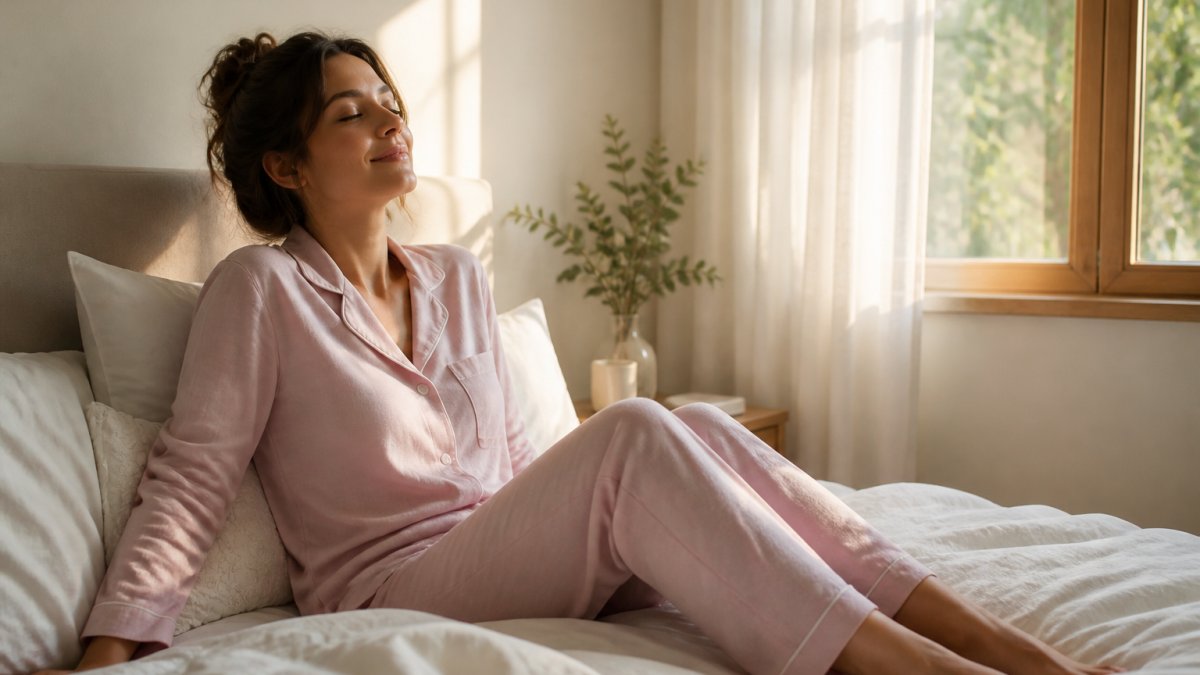
Fabric as the foundation
Fabric determines everything about how pyjamas feel against your skin. Cotton, modal, silk, and flannel each behave differently, and your choice depends entirely on your climate, skin sensitivity, and personal preference.
Cotton breathes naturally and handles moisture well, making it ideal for most sleepers. Modal offers exceptional softness and drape, particularly for those with sensitive skin. Silk provides luxury but requires careful handling. Flannel traps warmth, perfect for winter months but overwhelming in summer.
The thread count matters less than the fabric weight. A lighter weave breathes better; a heavier weave provides more structure and durability.
Fit and roominess matter
Comfortable pyjamas for women should never restrict movement or cling awkwardly. The best fit allows you to move freely without excess fabric bunching or pulling. Most sleepers prefer either a relaxed fit that skims the body or a looser cut that provides genuine room.
Sleeve length, trouser length, and neckline all affect comfort. Short sleeves suit warm sleepers; long sleeves trap heat for winter. Cropped trousers work in summer; full-length options provide coverage and warmth.
Sizing up one size often improves comfort without creating a sloppy appearance. If you're between sizes, choose the larger option, pyjamas should feel like a gentle embrace, not a constraint.
Breathability and temperature control
Breathability determines whether you'll wake up drenched or comfortable. Fabrics with natural fibres, cotton, modal, linen, allow air circulation and moisture evaporation. Synthetic blends often trap heat and moisture, leading to uncomfortable nights.
Weave density affects breathability more than you might expect. A loose, open weave breathes better than a tight, dense weave. Summer pyjamas benefit from lightweight, breathable fabrics; winter pyjamas prioritise warmth retention.
Temperature regulation extends beyond fabric choice. Loose-fitting styles allow air to circulate around your body. Sleeveless options or short sleeves help if you sleep hot. Long sleeves and heavier fabrics suit cold sleepers.
Women's Cotton Pyjamas: The Classic Choice
Cotton remains the most popular choice for comfortable pyjamas for women because it delivers consistent performance across seasons and price points. It breathes well, handles moisture, and softens with every wash.
Why cotton works for most sleepers
Cotton's natural fibres allow air to pass through freely, preventing the clammy feeling that wakes you at 3 a.m. It absorbs moisture without holding it against your skin, keeping you dry throughout the night.
The softness of cotton improves over time. New cotton pyjamas feel pleasant; after a dozen washes, they become genuinely luxurious. This durability means a quality cotton set becomes more comfortable as you wear it, not less.
Cotton also tolerates frequent washing without degrading, making it practical for daily wear. You can wash cotton pyjamas in warm water, dry them in a tumble dryer, and they'll remain soft and intact for years.
Care and durability considerations
Washing cotton pyjamas correctly extends their lifespan significantly. Turn them inside out before washing to reduce pilling and fading. Use a gentle cycle with cool or warm water, and avoid bleach unless the label explicitly permits it.
Tumble drying on a low setting preserves elasticity and softness. High heat damages fibres over time, causing stiffness and premature wear. Air drying works beautifully but takes longer. Most sleepers find low-heat tumble drying offers the best balance between convenience and longevity.
Shrinkage varies by cotton quality. Premium cotton shrinks minimally; budget cotton may shrink 3-5% on first wash. Check the label for pre-shrunk certification. If you're uncertain, size up slightly to account for potential shrinkage.
Women's Modal Pyjamas: Softness and Drape
Modal fabric offers a luxury feel at a more accessible price point than silk. It drapes beautifully, feels exceptionally soft against skin, and performs well for sensitive sleepers.
How modal differs from cotton
Modal is a semi-synthetic fibre made from wood pulp, processed to create a silky texture. It's softer than cotton, genuinely softer, with a subtle sheen that catches light beautifully. Modal also drapes more elegantly, creating a flattering silhouette that cotton can't match.
The breathability of modal rivals cotton, making it suitable for warm sleepers. It absorbs moisture slightly better than cotton, which some sleepers prefer. Modal also resists pilling better than lower-quality cotton, maintaining smoothness through repeated wear.
The main drawback is durability. Modal weakens slightly when wet, meaning you must wash it gently and avoid aggressive wringing. It also stretches more easily than cotton, so sizing matters.
Ideal for sensitive skin
Women with sensitive skin often find modal more comfortable than cotton. The smooth fibre surface causes less irritation, and the fabric doesn't trap bacteria or moisture the way some cotton blends do.
Allergic reactions to pyjamas are rare but do occur. If you experience itching, rashes, or irritation with cotton, modal is worth trying. Many women with eczema or contact dermatitis report fewer flare-ups in modal pyjamas.
Washing modal requires a gentle approach. Use cool water, a delicate cycle, and avoid fabric softener, which coats the fibre and reduces breathability. Air dry when possible; if you use a tumble dryer, select the lowest heat setting.
Summer Pyjamas for Women: Staying Cool
Summer pyjamas for women prioritise breathability and moisture-wicking over warmth. The goal is staying comfortable in heat without overheating or waking drenched.
Lightweight fabrics and loose cuts
Lightweight cotton, typically 200 thread count or lower, breathes exceptionally well. Linen offers even better breathability, though it wrinkles more easily. Some sleepers prefer cotton-linen blends, which balance softness with superior airflow.
Loose-fitting styles allow air to circulate freely around your body. A relaxed fit prevents fabric from clinging to skin, which traps heat and moisture. Short sleeves or sleeveless styles further enhance cooling.
Colour affects temperature as well. Darker fabrics absorb heat; lighter colours reflect it. White, cream, and pale pastels keep you cooler than navy or black. This matters more than most people realise, the difference between white and black cotton can be several degrees.
Short sleeves and shorts options
Sleeveless tops paired with shorts create the most cooling combination. The exposed arms and legs allow body heat to escape more freely.
Summer pyjama shorts typically sit at the knee or mid-thigh. This length prevents the legs from overheating whilst providing adequate coverage. Drawstring waists ensure comfort without tightness, which can restrict circulation and increase heat sensation.
Some women find that wearing just a loose t-shirt and shorts, rather than a matched pyjama set, offers maximum cooling. Experiment to find what works for your body. The best summer pyjamas for women are the ones you'll actually wear comfortably all night.
Pyjamas for Women with Pockets: Practical Comfort
Pockets in pyjamas solve a genuine problem: where do you put your phone, keys, or the remote control when you're in bed? Practical comfort means functional design, not just soft fabric.
Pockets in pyjama trousers or shorts make sense. Side pockets sit naturally and don't create bulk. Some styles include deeper pockets that actually hold items securely.
Pyjama tops rarely include pockets, which is a missed opportunity. Chest pockets would allow you to keep small items within reach without fumbling around.
The presence of pockets doesn't affect comfort, but their absence affects practicality. If you spend time in bed reading, working, or watching television, pockets transform pyjamas from sleepwear into genuine loungewear.
Fit, Softness and Features to Prioritise
Multiple factors combine to create genuinely comfortable pyjamas for women. Prioritising the right features depends on your personal needs and sleep habits.
Notch collar and sleeve length
A notch collar, the classic pyjama neckline with a small triangular opening, sits comfortably against the neck without irritation. It doesn't restrict throat movement and allows airflow without gaping. Crew necks offer more coverage but can feel restrictive if you're sensitive to neck pressure.
Sleeve length affects both comfort and temperature regulation. Long sleeves provide warmth and coverage but trap heat if you sleep hot. Short sleeves offer a middle ground. Sleeveless options maximise cooling but provide no arm coverage.
The cuff design matters. Elastic cuffs that are too tight restrict circulation and create discomfort. Looser cuffs allow movement without the sleeve riding up during the night.
Prints, solid colours, and personal preference
Pattern versus solid colour is entirely personal. Prints add visual interest and can hide minor stains better than solid colours. Solid colours create a clean, minimalist aesthetic. Neither is objectively more comfortable, choose based on what makes you happy when you see yourself in the mirror.
Colour choice does affect temperature perception. Darker colours feel warmer psychologically, even if they're technically warmer. Light colours feel cooling. This psychological effect is real and worth considering when you're choosing between options.
Two-piece sets versus separates
Two-piece sets include a top and bottom as a matched pair. Separates allow you to mix and match different tops and bottoms. Separates offer flexibility, you might prefer a short-sleeved top with long trousers in spring, or a sleeveless top with shorts in summer.
Two-piece sets ensure colour and style coordination, which appeals to those who prefer a unified look. They're also simpler to purchase and store. The trade-off is less flexibility if your temperature preferences vary between seasons.
Common Mistakes When Choosing Pyjamas
Most people make predictable errors when selecting comfortable pyjamas for women. Avoiding these mistakes dramatically improves your sleep comfort.
Choosing based on appearance rather than feel is the most common mistake. Beautiful pyjamas that feel scratchy or uncomfortable won't improve your sleep.
Ignoring fit is another frequent error. Pyjamas that are too tight restrict movement and create pressure points.
Washing pyjamas incorrectly degrades comfort over time. Using hot water, high-heat drying, and fabric softener all shorten the lifespan of softness.
Choosing the wrong fabric for your climate wastes money. Thermal fabrics in summer bedrooms create overheating; lightweight fabrics in winter bedrooms leave you cold.
Overlooking personal preferences is surprisingly common. You'll wear pyjamas every night.
Finding comfortable pyjamas for women that you'll actually love wearing requires balancing fabric quality, proper fit, and honest assessment of your sleep needs. At Quanolo, we understand that comfort isn't one-size-fits-all, which is why we've carefully curated a selection of innovative, practical solutions designed to simplify and enhance your everyday life.
Frequently Asked Questions
Which fabric is best for comfortable women's pyjamas?
Cotton and modal are the top choices. Cotton is breathable, durable, and suits most sleepers year-round. Modal offers exceptional softness and drape, making it ideal for sensitive skin or those who prioritise luxurious feel. Silk provides temperature regulation but requires more careful washing. Your choice depends on your climate, skin sensitivity, and budget. Test a pair in your preferred fabric to see how your body responds.
Are cotton or modal pyjamas more comfortable?
Both excel in different ways. Cotton pyjamas are reliable, easy to care for, and naturally breathable, making them practical for everyday wear. Modal pyjamas feel exceptionally soft against skin and have a fluid drape that many find more luxurious. If you sleep hot, cotton typically performs better. If you have sensitive skin or want maximum softness, modal usually wins. Comfort is personal, consider your sleep habits and skin type.
What should I look for when choosing pyjamas for women?
Prioritise fabric (cotton, modal, or a blend), fit (loose or fitted depending on preference), and breathability for your climate. Check for features like pockets, notch collars, and sleeve length that match your lifestyle. Consider whether you prefer two-piece sets or separates. Verify care instructions and expected shrinkage before buying. Read reviews from verified buyers to understand how a style performs after washing. Size up slightly if you prefer roominess.
What are the best pyjamas for staying cool at night?
Summer pyjamas for women should feature lightweight, breathable fabrics like cotton or linen blends. Choose short sleeves and shorts rather than long sleeves and trousers. Loose, relaxed fits allow air circulation around your body. Lighter colours reflect heat better than dark colours. Look for moisture-wicking properties if you tend to sweat. Avoid heavy fabrics like flannel or thermal blends in warm months. Test a pair during a warm night to confirm it keeps you comfortable.